
EU AI Act deadlines: what to prepare
A later deadline for one category does not postpone every obligation. Start with the intended use and your organisation’s role, then map requirements to your system.
The dates do different jobs
As checked on 9 September 2026, the Commission reports the AI Omnibus entered into force on 27 July 2026. Its timetable places Annex III high-risk requirements on 2 December 2027, and Article 6(1) high-risk requirements (including Annex I safety components) on 2 August 2028. Commission announcement.
General-purpose model obligations apply from 2 August 2025 and Article 50 transparency rules from 2 August 2026, with transitions for existing systems and scope-specific duties. EU AI Act implementation timeline.
Classify the use before applying a date
An internal assistant is not automatically high-risk, and using a general-purpose model does not make an organisation its provider. Purpose, role and territorial scope affect the assessment; Annex III carries conditions to check, not assume. Commission questions and answers.
Write down the actual use: who receives the output, what decision it informs, what follows, who can intervene.
Build an evidence record you can maintain
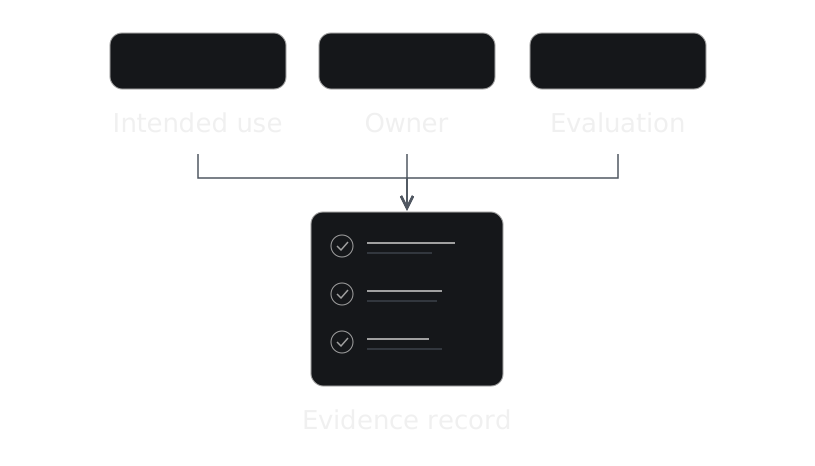
- Intended use: describe the task, users and decisions the system is designed to support.
- Ownership: identify who approves model, data and workflow changes and who can stop the system.
- Evaluation: keep the test set, acceptance criteria, observed failures and the decision to release.
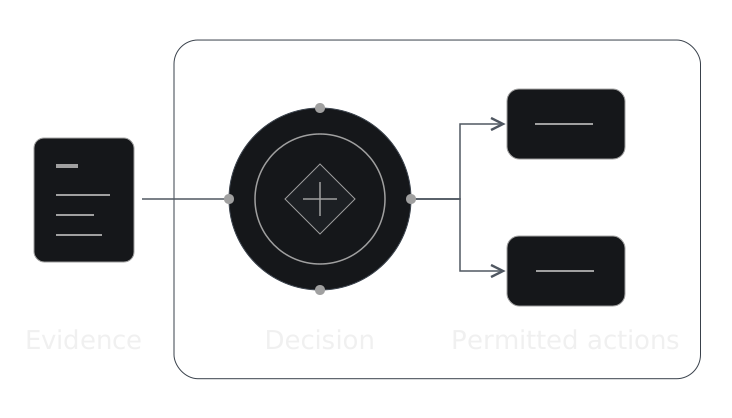
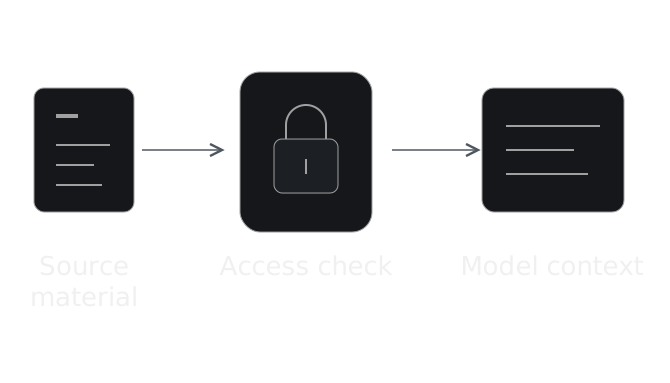
- Access: record which sources and tools each role may use and how changes to access are handled.
- Operations: define the incident path and the records needed to investigate an answer or action.
Decide retention from the actual requirement
Useful records include model and configuration versions, source references, tool actions and approvals. Recording everything indefinitely creates its own privacy risk, so agree content, access and retention with the people responsible for the applicable requirements.
The aim is a decision that can be explained after the event without an uncontrolled copy of sensitive information.
Use the time to settle design decisions
AURA LOGIC LABS can help define evaluation, permissions, change control and incident handling through Production Governance, separate from legal classification.
This is general information checked 9 September 2026. Recheck official sources before a launch or procurement decision.
Related reading
Plan the operating evidence.
Bring the system, its intended use and who owns its operation.